ポリエステル100%のジャカードパターンのカラフルな東南アジアのサロン生地 – 耐久性があり、鮮やかでお手入れが簡単で、製品に美しさと実用性の両方をもたらすように設計されています。 絶妙なジャカード職人技:大きなジャカード技術で織られ、豊かで立体的なパターンを作り出します。 耐久性...
See Details


東南アジアの国家伝統サロン生地ガイド
業界ニュース-” 国の伝統的なサロン生地 東南アジア全域のラップテキスタイルは、ラップテキスタイルのファミリーとして最もよく理解されています。 —最も一般的なのは、次のような特徴的な技術で作られたサロン丈の布地です。 バティック 、 イカット 、 and ソングケット 、 each tied to specific countries, ceremonies, and weaving communities. Indonesian batik, for example, is formally recognized by UNESCO as intangible cultural heritage (inscribed in 2009). :contentReference[oaicite:0]{index=0}
東南アジアで「サロン生地」と呼ばれるもの
In Southeast Asia, “sarong” can mean either a tubular garment or a rectangular cloth wrapped and secured at the waist. The fabric is often decorated using batik or イカット methods, or woven as brocade-like luxury cloth (ソングケット). :contentReference[oaicite:1]{index=1}
実際にお店で見かける実用的なサイジング
サイズは国や衣服のスタイルによって異なりますが、次の実際の参考情報は、正しく購入するのに役立ちます。
- ミャンマーのロンジー: 長さ約2メートル、幅約80センチメートル 、 commonly sewn into a cylinder. :contentReference[oaicite:2]{index=2}
- カンボジアのサンポット・チャン・クベン(包まれたズボンのようなドレープ):長方形の布として引用されている 長さ約3メートル、幅約1メートル . :contentReference[oaicite:3]{index=3}
- フィリピン南部マロン:次のように説明されています。 長さ約4ヤード、高さ約50インチ (often tubular). :contentReference[oaicite:4]{index=4}
3つの基軸「国家伝統サロン生地」
「東南アジアの伝統的なサロン生地」に、文化に基づいた信頼性の高い一致を求める場合は、国やフォーマルウェアの文脈を問わず、これら 3 つのテクニックが最も頻繁に使用されます。
| 生地・技法 | 作り方 | 視覚的な手がかり | 最適な使用例 |
|---|---|---|---|
| バティック | 布地にワックスレジスト染色。深いモチーフの象徴性 | 鮮明なモチーフのエッジ。象徴的なパターンの繰り返し | 日常着からセレモニーまで。インドネシアの象徴的存在 |
| イカット | 織る前の糸の防染 | 柔らかい「ぼやけた」またはぼかしたパターンのエッジ | 耐久性のあるラップクロス。地域に伝わる遺産 |
| ソンケット | 金属糸を使用し緯糸に補助糸を使用した手織り | きらめくゴールド/シルバーのモチーフ (錦織効果) | 結婚式、公的行事、正装(マレー世界) |
Indonesian batik is internationally recognized by UNESCO for its techniques, symbolism, and cultural role (inscribed in 2009). :contentReference[oaicite:5]{index=5} Ikat is widely described as a Southeast Asian-origin resist-dye method applied to yarns prior to weaving, producing its characteristic softened pattern boundaries. :contentReference[oaicite:6]{index=6} Songket is consistently defined as a handwoven textile with gold or silver threads, historically spread across the Malay world (including Indonesia, Malaysia, Brunei). :contentReference[oaicite:7]{index=7}
本物のサロン生地とツーリストプリントの見分け方
繊維の専門家である必要はありません。生地の製造方法に直接対応する高信号チェックをいくつか使用してください。
バティック:単なるモチーフではなく、プロセスの「指紋」を探す
- If a piece is marketed as heritage batik but the pattern looks perfectly uniform on both sides with no dye-depth variation, it may be a surface print rather than a resist-dyed cloth (batik is defined by technique and cultural practice, not just visual style). :contentReference[oaicite:8]{index=8}
- Ask for the technique: sellers who can describe wax-resist steps and motif meaning usually deal in higher-integrity work, consistent with UNESCO’s framing of batik as technique symbolism culture. :contentReference[oaicite:9]{index=9}
イカット: 「ぼやけ」は特徴であり、欠陥ではありません
Ikat’s hallmark is that yarns are resist-dyed before weaving, so the pattern alignment naturally creates slightly feathered edges; a perfectly sharp, pixel-like ikat motif can indicate digital printing. :contentReference[oaicite:10]{index=10}
ソンケット: メタリックインクではなく、メタリック糸の織りを確認します。
Songket is described as a handwoven fabric where metallic threads are inserted as supplementary weft, producing a true raised shimmer. If the shine disappears when you tilt it and the surface feels flat like ink, treat “ソングケット” as a marketing label rather than a weaving structure. :contentReference[oaicite:11]{index=11}
「国の伝統的な」使用法に対応する国固有の例
東南アジアには多様性がありますが、旅行、ギフト、文化衣装として「国の伝統的なサロン生地」の例が必要な場合は、いくつかの組み合わせが特に安定しています。
- インドネシア: Batik is a nationally emblematic textile tradition recognized by UNESCO (2009). :contentReference[oaicite:12]{index=12}
- ミャンマー: ロンジー(サロンのような巻き物)は広く着用されています。一般的な参考サイズは ~2m×80cm . :contentReference[oaicite:13]{index=13}
- マレー世界 (マレーシア / ブルネイ / インドネシアの一部): Songket is a signature ceremonial fabric woven with gold or silver threads. :contentReference[oaicite:14]{index=14}
- カンボジア: 従来のドレープ布システムにはサンポット形式が含まれます。文書化された例の 1 つは長方形の布です。 長さ約 3 メートル、幅約 1 メートル for sampot chang kben. :contentReference[oaicite:15]{index=15}
- フィリピン南部: マロンは筒状の衣服です。参考サイズは 長さ約 4 ヤード、高さ約 50 インチ . :contentReference[oaicite:16]{index=16}
購入チェックリスト: 暑さ、セレモニー、予算に応じて適切な生地を選択してください
マーケットやオンライン商品で買い物をするときの実用的な決定ツールとしてこれを使用してください。
毎日のサロンが必要な場合
- 通気性の良いコットンまたはコットンブレンドを選択してください。地域の基準に近い快適な幅/長さを優先します(例: ロンジーの参考文献) 2m×80cm ). :contentReference[oaicite:17]{index=17}
- For ikat, accept minor pattern “softness” as normal for yarn-resist weaving. :contentReference[oaicite:18]{index=18}
セレモニー/フォーマル生地が必要な場合
- ピック ソングケット when you want visible prestige—its defining feature is supplementary weft metallic threads (gold/silver). :contentReference[oaicite:19]{index=19}
- ピック culturally grounded バティック when motif meaning matters; UNESCO specifically frames batik as technique symbolism embedded in life events. :contentReference[oaicite:20]{index=20}
販売者に質の高い質問をする
- Is it wax-resist dyed (batik), yarn-resist woven (ikat), or metallic-thread woven (songket)? :contentReference[oaicite:21]{index=21}
- 正確なサイズは何cmまたはメートルですか(「ワンサイズ」に依存しないでください)。次のような参照を使用します ~2m×80cm for longyi-type wraps. :contentReference[oaicite:22]{index=22}
- What fiber is it (cotton vs silk)? Songket is commonly described as silk or cotton with metallic threads. :contentReference[oaicite:23]{index=23}
お手入れと保管: 伝統的なサロン生地を何年も着用できる状態に保ちます。
Traditional sarong fabric longevity depends on matching care to construction—especially for dyed surfaces (batik), yarn-dyed weaves (ikat), and metallic-thread structures (songket). :contentReference[oaicite:24]{index=24}
- For batik: avoid harsh detergents and prolonged direct sun; batik is defined by hand-applied resist and dyed cloth culture, so treat it as a dyed textile, not a “printed towel.” :contentReference[oaicite:25]{index=25}
- For ikat: hand-washing reduces abrasion on yarn-dyed patterning created before weaving. :contentReference[oaicite:26]{index=26}
- For songket: store folded with soft tissue or cloth layers to reduce snag risk on metallic threads inserted during weaving. :contentReference[oaicite:27]{index=27}
結論: 最良の「国民の伝統的なサロン生地」の選択
信頼性の高い答えが 1 つ必要な場合: 最も広く認知されている国内の伝統的なサロン生地の参考資料としてインドネシアのバティックを選択する (2009 年にユネスコに登録)、選択してください ソングケット or イカット when your goal is respectively formal prestige or heritage weaving identity across Southeast Asia. :contentReference[oaicite:28]{index=28}
関連 製品
-
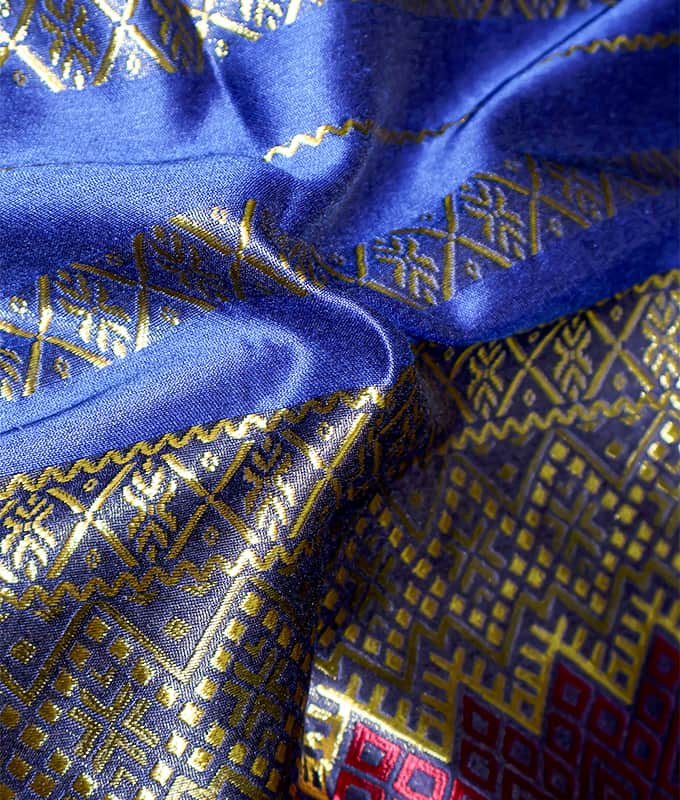
-
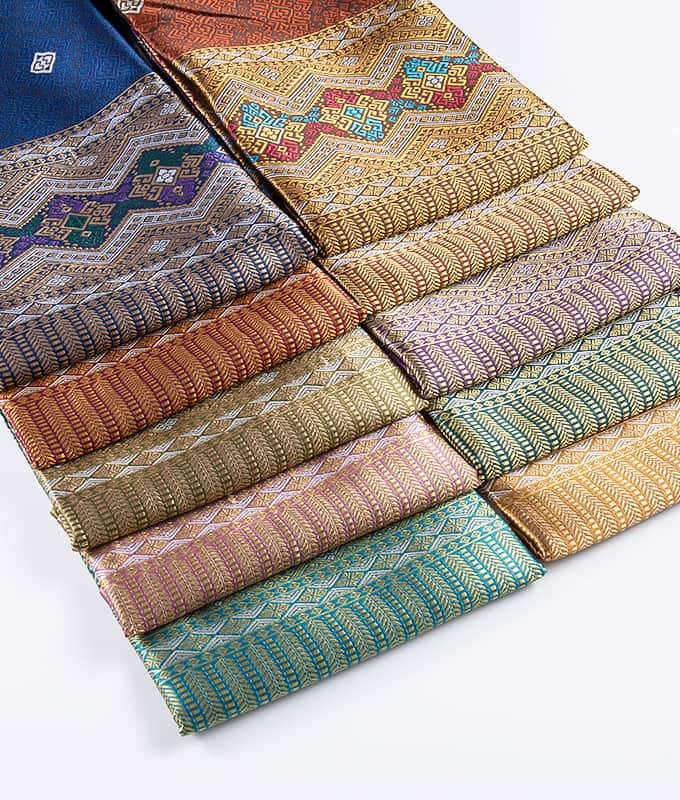
伝統的な東南アジアのサロンスカート用のポリエステル生地は、伝統と現代性の橋渡しをします。文化的伝統に根ざしたこの生地は、プレミアムポリエステルの強度と多用途性でクラシックなデザインを復活させ、スタイルと実用性の両方を保証します。 文化遺産とモダンなデザインの融合: 象徴的な意味を持つ伝統...
See Details -
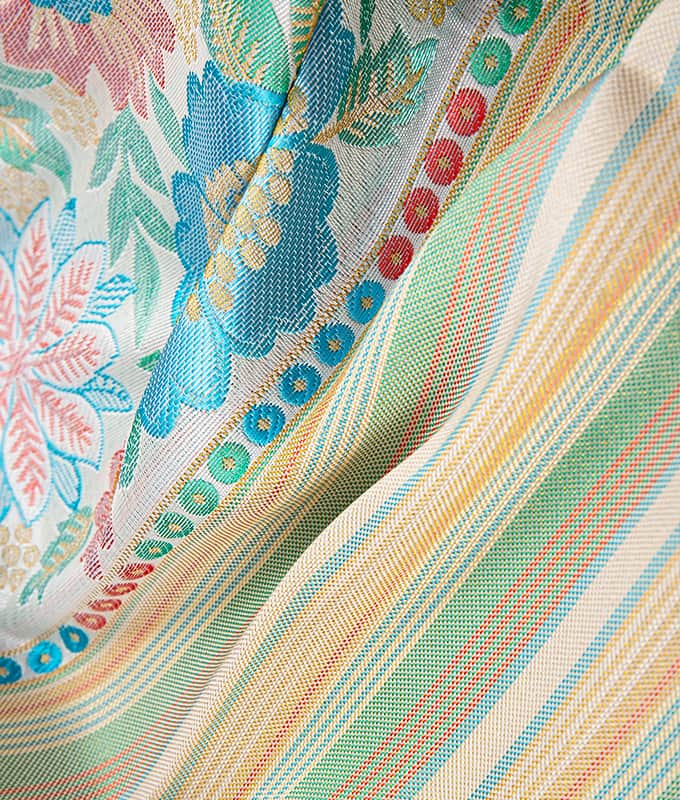
サロン用ひまわりプリント ポリコットン生地 — ひまわりからインスピレーションを得た、エネルギーと明るさを放射する鮮やかな生地です。柔らかいポリコットン製で、普段着に最適で、東南アジア旅行、文化イベント、エスニックスタイルの写真撮影にも最適です。 鮮やかなデザイン:ひまわりのプリントは陽...
See Details -
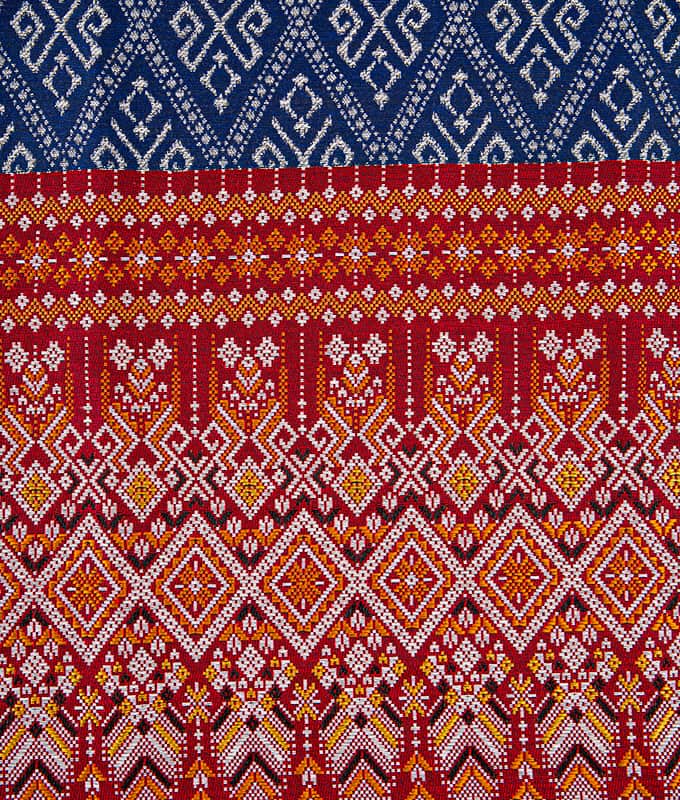
サロン用の手縫いスタイルのポリコットン生地。スタイルと実用性が洗練されたブレンドで、チューブスカートに滑らかな質感としっかりとしたシルエットを与えるように作られています。 プレミアムブレンド: ポリエステルと綿の繊維で作られており、柔らかさ、快適さ、耐久性を兼ね備えています。 手縫...
See Details -
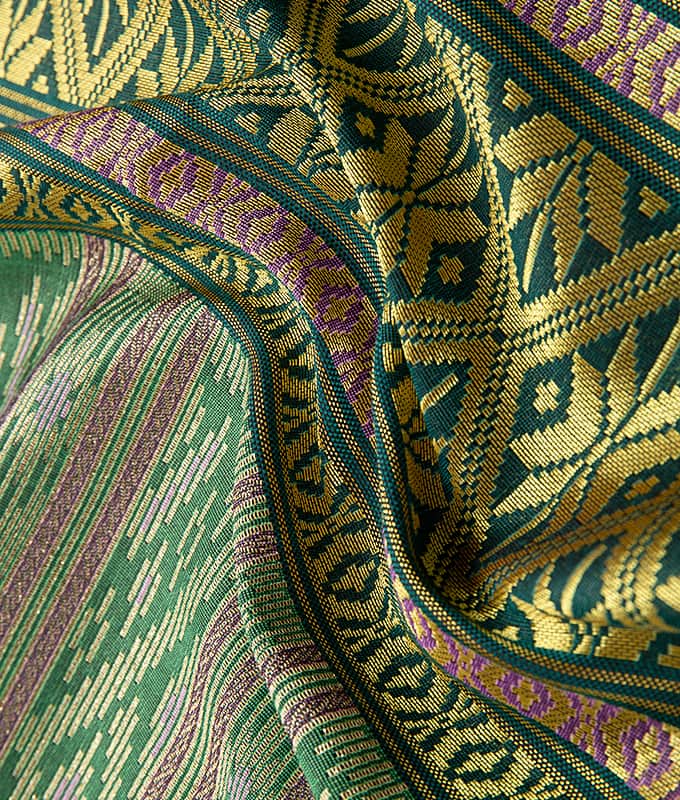
サロン用の縦ストライプの金糸ポリコットン生地は、耐久性と快適さ、そしてエレガントさを兼ね備えています。垂直に配置された金色のストライプが特徴のこの生地は、滑らかなチューブ スカートやその他のスタイリッシュな衣服を作成するのに最適です。 エレガントなデザイン:縦方向の金色のストライプが痩身...
See Details -
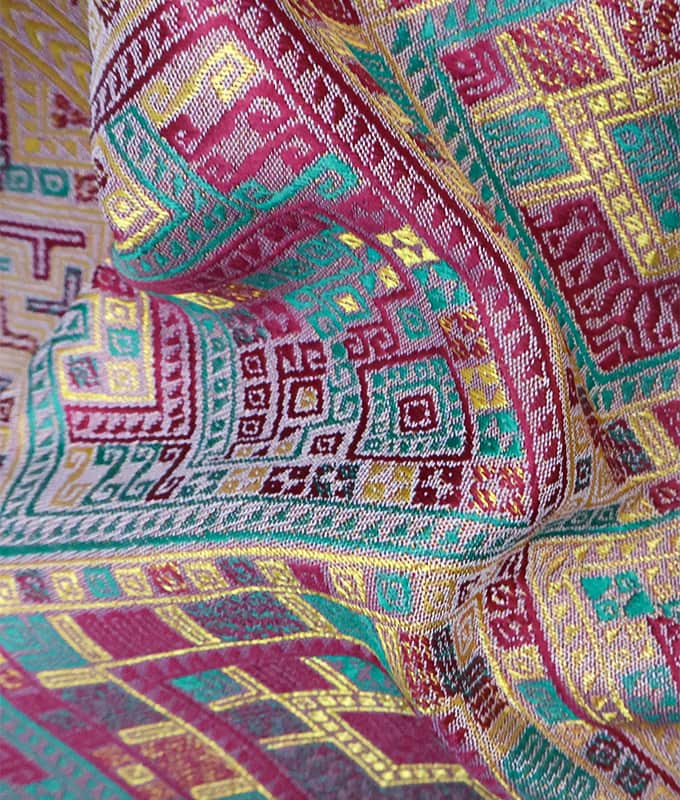
タイのファシンサロン向けのシルクのようなポリエステル ジャカード生地。シルクのような質感の優雅さと高精度のジャカード職人技を組み合わせ、実用性と美的魅力の両方を備えた流れるようなシルエットを作り出すように設計されています。 優雅で流れるような:シルクのような質感と自然なドレープが、流れる...
See Details

